
Baby Jesus painting
A Baby Jesus painting can quietly change the atmosphere of a room. It does not have to be large or ornate. Even a simple image of the Child Jesus can draw the heart to a gentler pace, a softer voice, and a deeper awareness that our Lord chose to come among us as a small, vulnerable child. For many Catholic families in the United States, keeping a Baby Jesus painting in the home is less about decoration and more about living faith in ordinary, daily moments.
Over the years, I have found that an image of the Infant Jesus often speaks most when life feels loud and busy. When I pass by the painting on our hallway wall, I am reminded to slow down and, even if only for a breath, place the day back into His hands. It is a quiet habit, almost unnoticed, but it shapes how the house feels. Children notice it too, sometimes more than we expect.

What a Baby Jesus painting can mean in a Catholic home
In many Catholic households, a Baby Jesus painting becomes part of what people sometimes call a “little domestic church.” It might hang near the front door, by the dinner table, in a child’s room, or over a prayer corner with a candle and a small crucifix. Wherever it is placed, the painting gently reminds everyone who walks by that our faith is not only for Sundays, but for the ordinary hours of the week.
A painting of the Infant Jesus often brings a sense of tenderness to a space. When we see Him as a child, it becomes easier to remember His closeness to human family life: crying, needing to be held, learning to walk and speak. It can be comforting to think of Him not only as Lord and Savior, but also as a baby who once lay in His mother’s arms and rested in the quiet of a simple home.
I still remember the first time I brought a Baby Jesus painting into our home. It was around Advent, and we hung it above a small wooden table where we kept our Nativity set. At first, it felt like just another decoration. But as the weeks went by, I noticed that I tended to pause there for a brief prayer in the evenings, often after a long workday. That little pause has stayed with me, even when the rest of the Christmas things go back into their boxes.
For some, a Baby Jesus painting is closely connected with the Christmas season. For others, it remains on the wall all year, as a gentle reminder of the Incarnation. There is no single “right” way to use such an image; each family discovers its own simple rhythms. What matters most is not the style of the painting, but the intention with which it is chosen and placed.
Traditional roots and quiet symbolism
Christian art has portrayed the Child Jesus in many different ways over the centuries: in His mother’s arms, resting in the manger, blessing the viewer, or holding a small globe as the Infant King. A Baby Jesus painting continues this long tradition in a form that fits easily into an ordinary home or apartment.
If you are curious about how Christians have represented the child Christ over the years, the article on the Christ Child in Christian art offers a helpful historical overview. Knowing a bit of that background can deepen the appreciation for even a simple modern Baby Jesus painting hanging in a hallway or bedroom.
Different artistic styles can express different aspects of the mystery. A very soft, almost glowing painting of the Infant Jesus can highlight tenderness and peace. A more rustic or earthy style can remind us of the poverty of Bethlehem and the humility of the Holy Family. Some paintings focus on the face and eyes of the Child, inviting a more personal gaze, while others show more of the surrounding scene: Mary, Joseph, the stable, or the star.
Over time, people often build an attachment to a particular image. I have noticed this in my own life. One Baby Jesus painting I once had in my room as a college student was quite simple—almost a sketch more than a finished piece. Yet when I was anxious about exams or uncertain about the future, I found myself drawn to it. It did not “fix” anything, of course, but somehow helped me to place my worries in the hands of the One who began His earthly life as a child.
Ways to use a Baby Jesus painting in daily prayer
There are many gentle, non-complicated ways a Baby Jesus painting can be part of daily prayer. None of them require special knowledge or long devotions. Often it is the very simplicity that makes them sustainable over time.
1. A small pause in a busy day
One very simple practice is to pause for a moment whenever you pass by the painting. You might just say, “Jesus, I trust You,” or “Stay with us, Lord,” or even remain silent for a breath or two. These small, repeated pauses can gradually restore a sense of calm throughout the day, especially in a home where schedules are full and emotions can run high.
I have formed a habit of touching the frame gently as I pass by our Baby Jesus painting when I leave for work in the morning. It is a quiet gesture that no one else in the house notices, but for me it has become a way of beginning the day with a reminder of who walks with me.
2. A simple focus for family prayer
Many families find it helpful to have a visual focus for prayer, especially when praying with children. A Baby Jesus painting can serve as that focus for a short night prayer, a decade of the Rosary, or grace before meals. Children often respond naturally to the image of a baby; they may even talk to Jesus as if He were right there in the room with them.
During Advent and Christmastime, gathering the family around a Baby Jesus painting and lighting a candle can give shape to a peaceful evening prayer. There is no need to create anything elaborate. Even a brief, heartfelt prayer said together in front of the image can become a cherished memory over the years.
3. A reminder of gentleness in relationships
The presence of a Baby Jesus painting can also influence how family members speak to one another. Seeing the Child Jesus can help remind us to be gentle, especially during stressful conversations. It does not magically resolve conflicts, but it can soften the heart and encourage more patience.
I remember one evening when I had just finished a tense phone call and felt frustrated. I walked into the living room and sat down beneath the Baby Jesus painting that hangs above our small bookshelf. Simply looking at the Child’s face quieted me enough to avoid snapping at the next person who spoke to me. In that moment, the painting was like a quiet invitation to respond from a calmer place.
Placing a Baby Jesus painting at home
Choosing where to hang a Baby Jesus painting is a personal decision. Some prefer a very visible place, like the living room or entryway, so that the image gently greets everyone who comes in. Others prefer a more private spot, such as a bedroom or a corner set aside for quiet prayer.
A few practical suggestions can help:
- Height: Hang the painting at eye level so you can easily meet the gaze of the Child Jesus without straining your neck.
- Lighting: If possible, place it where natural light can fall softly on it during part of the day, but not where strong sunlight will fade the colors.
- Clutter: Try to keep the surrounding area relatively uncluttered, so the painting can stand out as a calm focal point.
- Prayer corner: Some people like to place a small table or shelf beneath the painting with a candle, a rosary, or a small statue of Mary or Joseph.
In my own home, we moved our Baby Jesus painting a few times before settling on its current place in the hallway outside the bedrooms. Now, every night before bed, I walk past it and quietly say a short prayer for each member of the family. Nothing complicated—just a simple entrusting of the day and the night to Him.
Different styles of Baby Jesus painting
Not every Baby Jesus painting will feel the same, and that is a good thing. Each person or family can choose an image that resonates with their own way of praying and living the faith. Some prefer very traditional artwork, while others are drawn to more modern, stylized images.
Some paintings show the Infant Jesus with Mary and Joseph, emphasizing the warmth of the Holy Family. These can be especially meaningful for parents who want to place their home under the care of the Holy Family in a simple, quiet way.
 Let me look closer
Other images focus more on the face of the Child, inviting a personal, almost intimate gaze. These paintings can become a quiet place of refuge during prayer, especially in seasons of worry or grief.
 I’d like to see more
Some Baby Jesus paintings include symbols like the star of Bethlehem, small angels, or a simple stable background. These details quietly echo the Gospel stories we hear every Christmas and can spark good conversations with children.
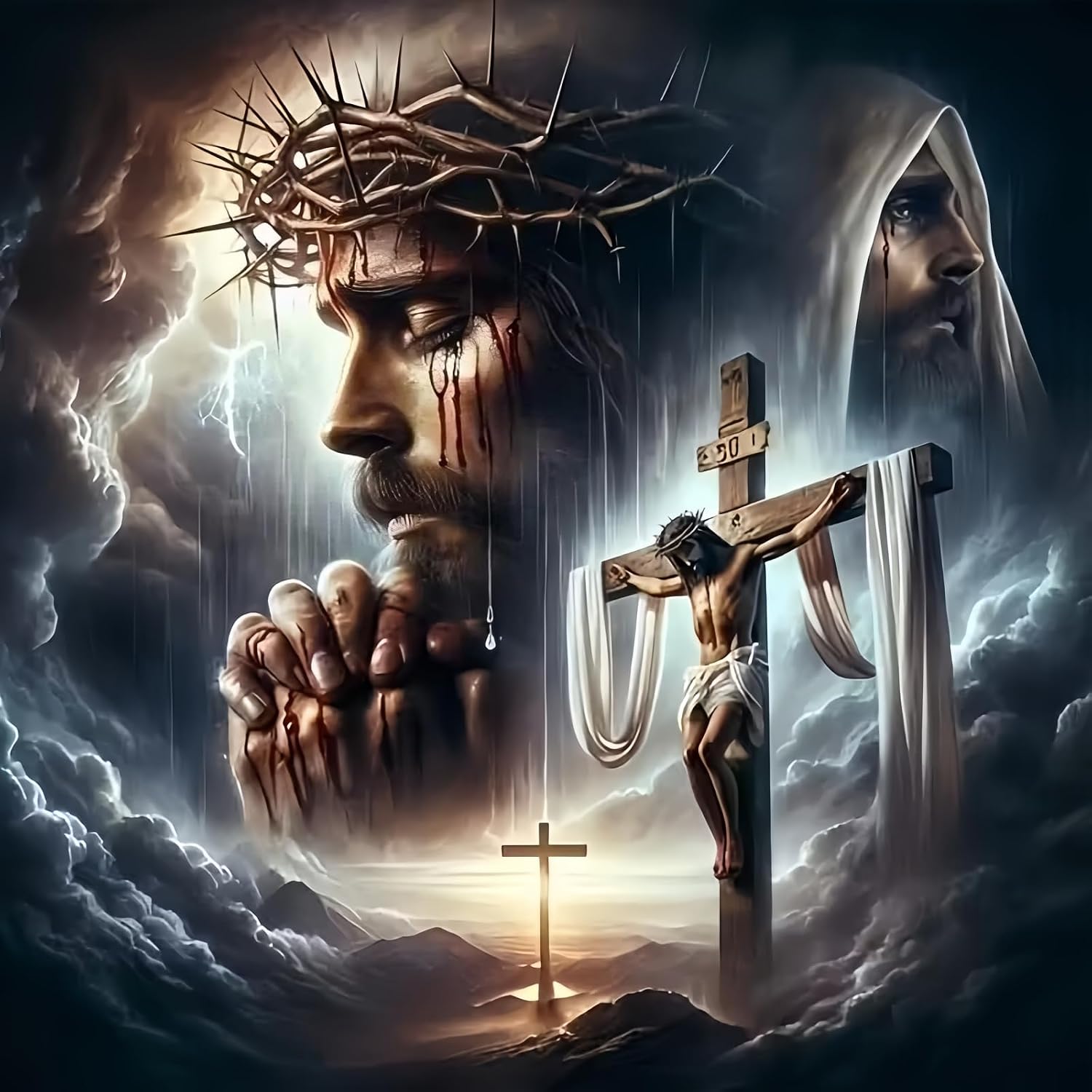 This style draws me
There are also more artistic or stylized interpretations, with softer lines or warmer, almost glowing colors. These can create a gentle, contemplative mood, especially in a prayer corner or bedroom.
 This might fit me
Framed prints of the Infant Jesus can be especially convenient for those living in apartments or rented homes, since they are usually light and easy to hang or move without much effort.
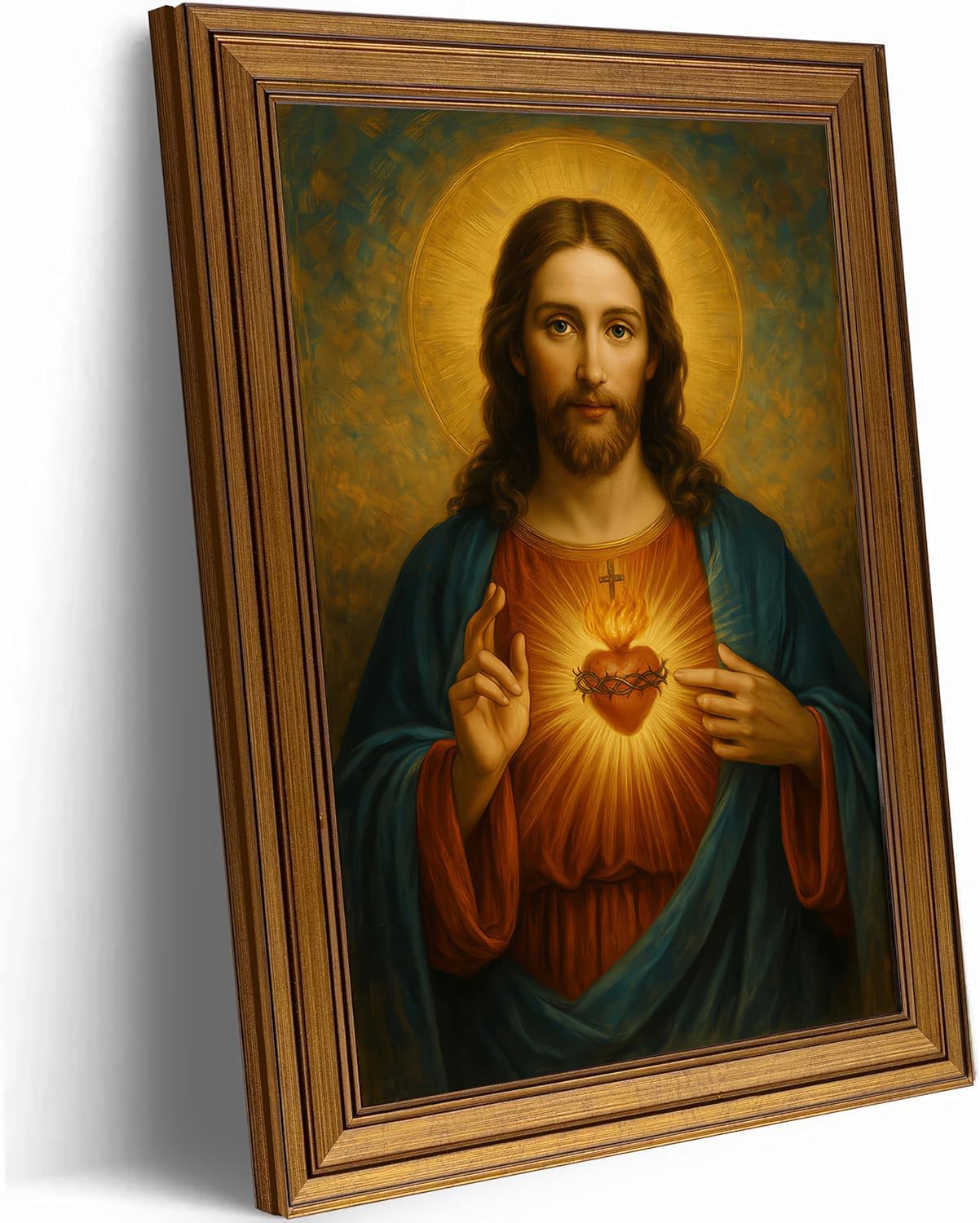 I want to compare
Some paintings blend into a more general Marian or Holy Family theme, where the Child Jesus is held by Mary or surrounded by both Mary and Joseph. These images can bring comfort to those who find strength in the sense of belonging to a larger spiritual family.
 This feels peaceful
Even a simple, smaller Baby Jesus painting can make a difference on a nightstand, desk, or bookshelf. These smaller images can be wonderful companions for personal prayer before sleep or at the start of a workday.
 I’ll keep this in mind
In the end, the best Baby Jesus painting for any person is the one that quietly invites them to pray. When you find yourself naturally pausing in front of an image, or feeling a little more at peace when you look at it, that is usually a good sign that it fits you.
Personal experiences with a Baby Jesus painting
Over the years, I have lived with different images of the Infant Jesus. One Baby Jesus painting stayed with me through several moves—from a small apartment to a rented house and then to our current home. It was not the most beautiful painting I had ever seen, but it became familiar. When I unpacked it in a new place and found a spot for it on the wall, the space began to feel like home.
There was a time when I went through a season of anxiety and sleepless nights. I remember one particular evening when I sat alone in the living room, lights dimmed, feeling restless and worried about the future. I glanced up and saw the Baby Jesus painting across the room. Without really planning to, I got up, walked over, and simply stood there for a while, looking at His face. I did not say much in prayer—just quietly held my thoughts before Him. The situation did not instantly change, but I went to bed calmer than I had been all week.
Another memory comes from a visit with friends who had a Baby Jesus painting hanging low enough that their young children could see it easily. During our visit, their little daughter suddenly ran to the painting, pointed to the Child, and said, “That’s baby Jesus.” She then told us how she says “goodnight” to Him each evening. It was such a simple thing, but it struck me how naturally children can relate to the Child Jesus through an image like that.
These small experiences have convinced me that a Baby Jesus painting is not just “religious art” on a wall. It can quietly accompany us in the ordinary ups and downs of life: late-night worries, joyful celebrations, exhausted evenings after work, and quiet, sleepy prayers with children. The painting does not need to be dramatic or impressive. Its strength is often in its quiet presence.
Baby Jesus painting – Frequently asked questions
Yes, many Catholics keep a Baby Jesus painting on the wall throughout the year. While the image of the Infant Jesus is strongly connected to Christmas, it also reminds us, in every season, that the Son of God truly took on our human nature and lived a real human life. Keeping the painting up year-round can gently recall that truth during ordinary days, not only during the holidays.
Common places include the living room, a hallway everyone passes, near the dining table, or in a bedroom. Some families create a small prayer corner with a chair, a candle, and a Baby Jesus painting on the wall. The best place is wherever you naturally spend time and can easily pause for a short prayer or quiet moment during the day.
A simple approach often works best. You might hang the painting at a level where they can see it easily and tell them, in your own words, that this is an image of Jesus when He was a baby. You can invite them to say “Good morning, Jesus” or “Goodnight, Jesus” as they pass by, or to tell Him something about their day. Children usually find their own natural ways of relating to the Child Jesus.
No special prayers are required. You can pray traditional prayers if you like, such as the Our Father, Hail Mary, or a decade of the Rosary, but simple, spontaneous words from the heart are also very good. Many people simply stand or sit quietly in front of the painting and speak to Jesus as they would to a close friend, or they remain silent, resting in His presence.
It is true that when we see the same image every day, we can start to overlook it. To keep the Baby Jesus painting meaningful, you might connect small habits to it: a short prayer when leaving the house, a glance and a sign of the cross before bed, or lighting a candle nearby on Sundays or special feast days. Occasionally dusting or gently cleaning around the frame with attention can also be a simple act of care that renews your awareness of the image.
If you feel drawn to making a Baby Jesus painting part of your own home, you can quietly take your time exploring the different options available online and notice which image speaks most to your heart.
I’ll explore them now